

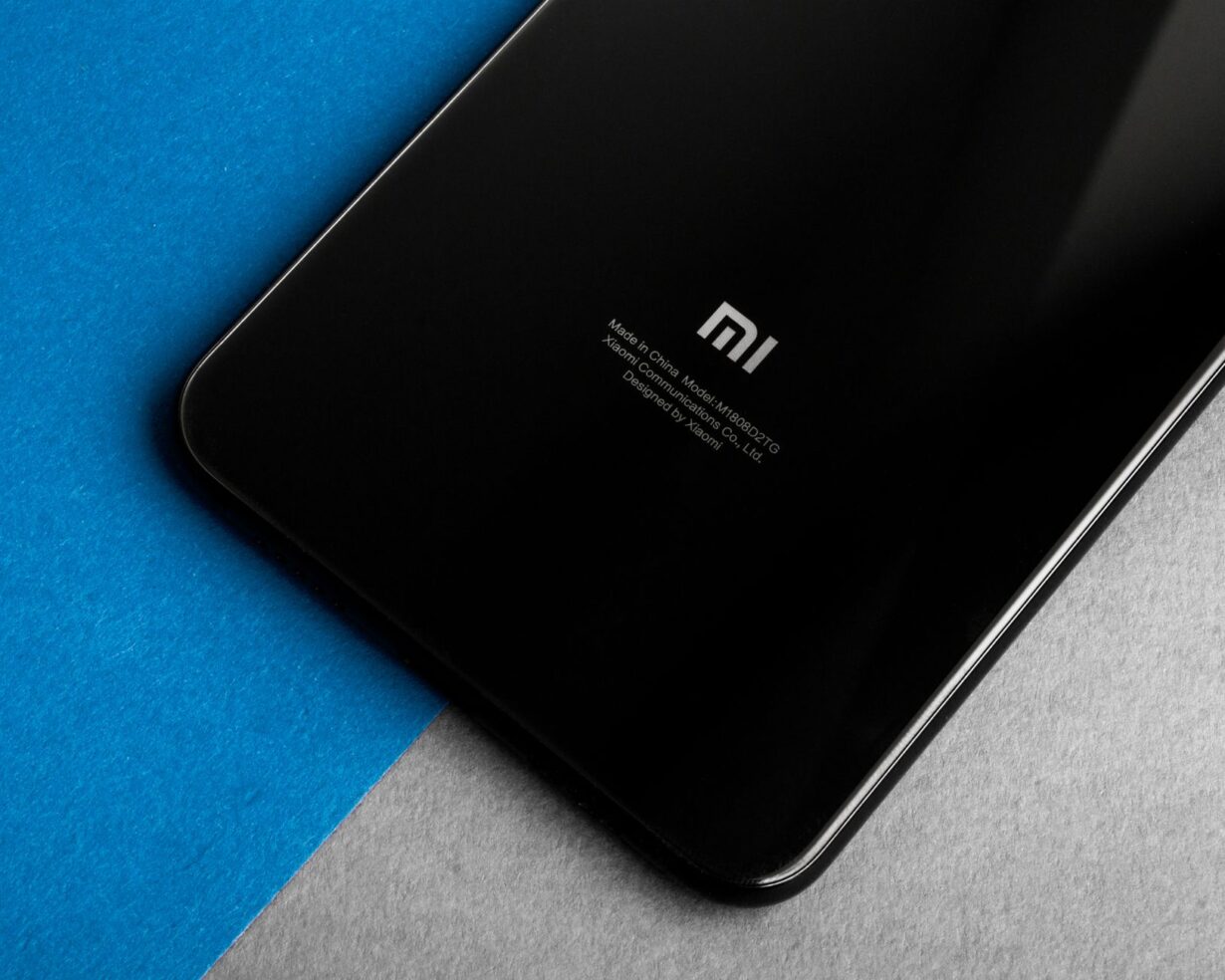

Xiaomi has launched the Xiaomi 18 Pro and Xiaomi 18 Pro Max in China, expanding its flagship smartphone line with new Qualcomm processors, 200MP cameras and unusually large batteries. The handsets also add privacy-focused displays, functional rear screens and a customizable AI button.
The Xiaomi 18 Pro uses Qualcomm’s Snapdragon 8 Elite Gen 6 processor, while the larger Xiaomi 18 Pro Max uses the Snapdragon 8 Elite Extreme Gen 6. Both chipsets sit in Qualcomm’s flagship tier, as first reported by 9to5Google.
Large batteries and Leica camera hardware lead the upgrades
Xiaomi gave the Pro a 7,000mAh battery and equipped the Pro Max with an 8,500mAh cell. Those capacities stand out in the premium phone segment, where manufacturers often balance battery size against thin designs and lighter hardware.
Each device carries two 200MP Leica cameras alongside a 50MP ultrawide camera. Xiaomi also included UWB connectivity and IP69 protection on both versions, placing the pair among the company’s highest-specification phones for its home market.
- Xiaomi 18 Pro: Snapdragon 8 Elite Gen 6 and 7,000mAh battery
- Xiaomi 18 Pro Max: Snapdragon 8 Elite Extreme Gen 6 and 8,500mAh battery
- Both models: two 200MP Leica cameras, 50MP ultrawide, UWB and IP69 protection
The feature set targets China’s flagship market
The new models matter because Xiaomi is combining several premium-category demands in one line: top-end Qualcomm silicon, high-resolution imaging hardware, ruggedness and battery capacity. The functional rear display also gives the company a visible point of difference in a crowded flagship market, while the privacy screen feature addresses a practical concern for people using phones in public settings.
Xiaomi has not provided global launch timing or availability, and it has not announced prices for either handset. The company also has not explained how the privacy displays operate or what limits they have, while full camera specifications and other hardware details remain unconfirmed.
This article was produced with AI assistance from multi-source reporting and is published under our editorial standards.